
-
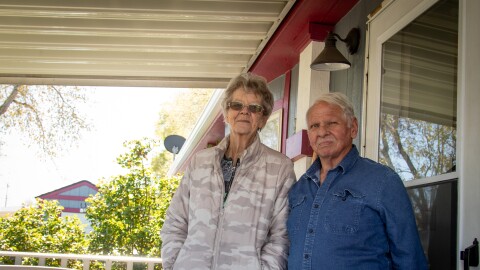 Ciara Hulet/KUERAs part of the Provo Towne Centre redevelopment plans, developers will raze a nearby mobile home park and replace it with townhomes. But Utah law provides only limited protection for tenants.
 -
 Jim Hill/KUERThe new law, which took effect May 6, says adult content websites must verify the age of any users physically located in Utah, regardless of whether they’re using a VPN that says they’re in another state.


-
 Lopez Chavez has been accused of unwanted physical advances by four people, three of whom are fellow elected officials.
 -
 A growing chorus of theologians, philosophers and bioethicists from all backgrounds is calling for more thoughtful discourse surrounding cosmetic procedures and treatments. In conservative Utah, cosmetic work is pretty common.
 -
 The owners of Provo Towne Centre plan to modify or tear down parts of the mall to create a new mix of retail and housing with an outdoor concept. But the community that’s grown there worries about what it means for them.
 -
 Opponents are filing grievances with the Division of Water Rights. The state engineer will consider those and might hold a hearing before deciding whether to approve the water right’s change of use.
 -
 Utah remains one of the fastest-growing states in the nation, but new population estimates highlight uneven growth patterns.
 -
 Park officials described the attack as a single event, with one or more bears involved, but did not specify if they were black bears or grizzlies. Yellowstone has populations of both species.
 -
 “We will ensure that the development is done responsibly and in a manner that protects the best interest of the Box Elder County and its residents,” the county commission said in a statement.
 -
 Utah installed more solar power in 2025 than in any year of the past decade. The Trump administration’s actions to slow down renewable energy projects threaten 40% of the state’s planned solar projects.
 -
 People in serious car crashes or ski accidents can lose a lot of blood quickly. The faster they get blood, the better their chances of surviving.
 -
 La política declarada de Immigration and Customs Enforcement de Estados Unidos es preguntar a las personas si tienen hijos y permitirles hacer arreglos. Pero defensores dicen que aun así es una buena idea planificar.
 -
The stated U.S. Immigration and Customs Enforcement policy is to ask people if they have kids and let them make arrangements. But advocates say planning is still a good idea.
-
 With the worsening drought, the Colorado River is already at a “worst-case scenario,” and Gov. Spencer Cox thinks that may force states to find common ground.


